

Germany Leads Turkey Foreign Investments: foreign-controlled enterprises in Turkey (key figures)
Turkey’s official statistics show that foreign-controlled enterprises continued to expand in 2023, increasing both in number and contribution to national turnover. Germany Leads Turkey Foreign Investments, and in absolute terms, foreign-controlled firms rose from 9,287 in 2022 to 10,265 in 2023. Their share of total turnover edged up slightly from 12.7% to 12.8%, while employment share moved from 5.0% to 5.1% — confirming steady influence on the Turkish economy.
Why this matters for real estate investors
Foreign direct investment (FDI) patterns are a leading indicator for commercial and residential property demand. When multinational-controlled firms increase turnover and employment, they:
- ► Stimulate demand for office and logistics space near industrial clusters.
- ► Drive demand for executive housing, rentals, and serviced apartments.
- ► Create longer-term land-value uplift in regions attracting foreign capital.
For investors and developers, understanding which countries and sectors dominate foreign presence is essential for targeted acquisition and repositioning strategies.
Sector concentration — where foreign control is highest
Not all sectors are affected equally. In 2023, tobacco products manufacturing had the highest share of turnover under foreign control — 92.6% — indicating near-complete sector foreign dominance. Insurance, reinsurance and pension funds followed with a 43.2% share. These concentrations signal two things: (1) certain sectors are already globalized and less likely to generate new real-estate demand domestically, and (2) sectors with growing foreign share may create localized spillovers (e.g., corporate HQs, data centers, or specialized logistics).
Top origin countries — who is investing?
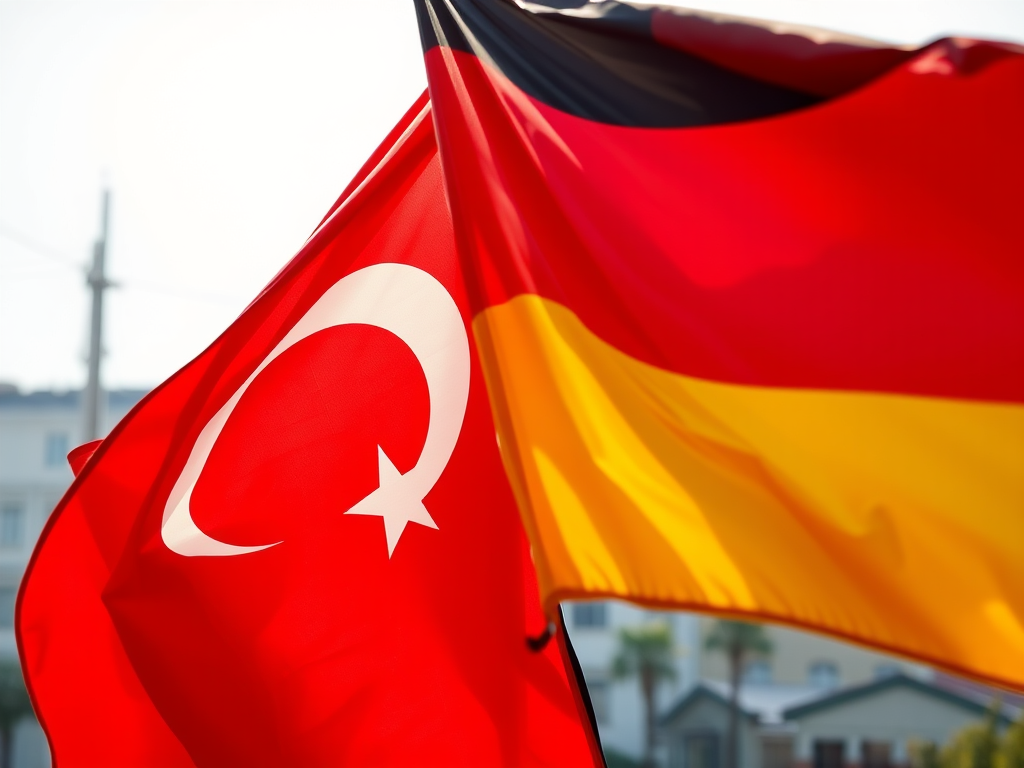
The distribution by country shows Germany at the forefront for both number and revenue share among foreign-controlled firms:
| Country | Number of foreign-controlled firms (2023) | Share of foreign-controlled turnover |
|---|---|---|
| Germany | 1,266 | 13.8% |
| USA | 965 | 11.2% |
| UK | 706 | 10.3% |
Germany’s lead (both in firm count and turnover share) implies strong commercial linkages and likely demand for industrial, manufacturing, and corporate spaces aligned with German investor needs.
Practical implications for property strategy
Short, actionable recommendations for investors and occupiers:
- ► Target industrial parks and logistics hubs near manufacturing clusters favored by German and U.S. investors.
- ► Prioritize flexible office conversions in mixed-use zones to capture corporate expansions.
- ► Consider multi-family and serviced housing in cities where foreign employers are scaling staff numbers.
- ► Monitor sector shifts — very high foreign control (e.g., tobacco, insurance) suggests the need for specialized landlord relationships (compliance, supply security).
- ► Use data-driven site selection focusing on transport links, workforce availability, and regulatory incentives.
Quick visual — turnover share snapshot
- Foreign-controlled turnover share (2023): 12.8% ▲ (from 12.7% in 2022)
- Employment share (2023): 5.1% ▲ (from 5.0% in 2022)
How Ideal Estates can help — services and value proposition
Ideal Estates positions itself to convert macroeconomic trends into tactical property outcomes for domestic and international clients:
- ► Market intelligence & acquisition advisory: We translate FDI and sector data into property-level investment theses — identifying supply/demand imbalances near foreign-led clusters.
- ► Site selection & feasibility: Using local networks, we vet locations for logistics centers, corporate offices, and residential projects that align with foreign investor footprints.
- ► Investor introductions & JV matchmaking: Ideal Estates maintains relationships with international investors and regional partners, facilitating joint ventures and off-market opportunities.
- ► Regulatory & incentives navigation: From tax incentives to municipal permitting, we advise on cost-saving measures and compliance matters that materially affect returns.
- ► Asset repositioning & leasing strategy: We craft leasing and tenant-mix strategies geared to attract multinational occupiers, including tailored build-to-suit programs.
Why partner with Ideal Estates? Because we combine macroeconomic insight (tracking FDI trends and origin-country footprints) with on-the-ground execution expertise—accelerating time-to-market and optimizing yield for investors seeking exposure to Turkey’s foreign-driven growth corridors.
To explore targeted property opportunities that capitalize on rising foreign investment — or to receive a bespoke market brief analyzing Germany-led investment corridors — contact Ideal Estates today. Subscribe for monthly intelligence on FDI trends and tailored property recommendations.
FAQs About Germany Leads Turkey Foreign Investments
Q1: What does “foreign-controlled enterprise” mean?
A: It refers to firms where ownership/control is held by non-resident individuals or entities, influencing management, capital flows, and strategic decisions.
Q2: Which Turkish regions benefit most from foreign investments?
A: Industrialized provinces and metropolitan centers with ports, highways, and skilled labor pools typically attract the most foreign-controlled activity.
Q3: How quickly do FDI patterns affect real estate values?
A: Impact timing varies — leasing demand can appear within months for corporate expansions; land-value shifts typically take longer (12–36 months), depending on project scale.
Q4: Does high foreign turnover share mean the sector is risky for local investors?
A: Not necessarily. High foreign share may indicate mature, globalized sectors. Local investors should evaluate counterparty stability, regulatory exposure, and demand persistence.
Q5: How can Ideal Estates tailor services for foreign investors?
A: We provide localized due diligence, site sourcing, JV facilitation, and ongoing asset management — all tailored to investor risk profiles and strategic objectives.


